
There’s a lot here, but it’s all good stuff.
Over the years, we’ve pulled together advice from some of the best people in the wedding industry, plus a bunch of things we’ve learned on our own. The goal is simple: help you actually enjoy your wedding day instead of just survive it.
Most couples haven’t planned a wedding before. So here’s some honest help.
Timing matters more than people expect. And it’s almost never what you think it’s going to be. That’s okay, as long as you plan for it. Everything you’re about to read falls under one big idea: you can never have too much time for photographs.
There are two main ways to structure your day. Golden Hour and First Look. Here’s what you need to know about both.
Golden Hour
With a Golden Hour timeline, you don’t see each other before the ceremony. The first time you lay eyes on your partner is when you’re walking down the aisle, surrounded by everyone you love. It’s a classic moment for a reason.
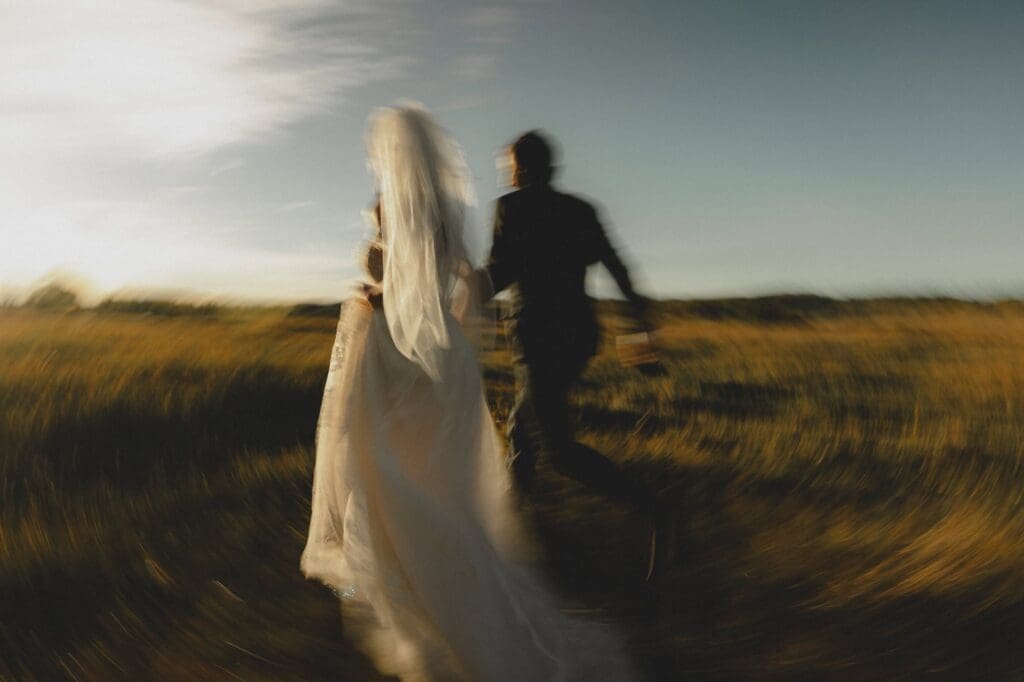
The name comes from the light. Most of your portraits together happen later in the day, when the sun is lower and the light turns soft and golden. That’s the stuff that makes photos look the way you want them to look.
Here’s how the day typically flows: before the ceremony, we photograph the bridesmaids and groomsmen separately. After the ceremony, we go straight into family formals, then a few group shots with the whole bridal party, and then your portrait session. This usually happens during cocktail hour. From there, we head into the reception.
The Pros
- It’s the classic route. If you’ve always pictured seeing your partner for the first time at the end of the aisle, this is your timeline.
- The light is incredible. That 1-2 hour window before sunset is the best time to shoot. The sun is lower, the light is softer, and everything just looks better. If you’re getting married in winter, Google the exact sunset time for your date and build from there. The sun sets earlier than most people realize.
- The hard part is over. By the time we’re doing portraits, the ceremony is done. A lot of couples find they’re more relaxed and present once that’s behind them.
The Cons
- Scheduling can get tight. Some weddings only have an hour between the ceremony and reception. That means family formals, wedding party shots, and couple portraits all happen in that window. It’s doable, but you won’t have a ton of time and you’ll likely stay at one location.
- Cocktail hour becomes tricky. If you only have that one hour, you probably won’t get to enjoy much of it. If you have more time built in, you’ll be fine.
- I suggest skipping the receiving line. Receiving lines can take upwards of an hour. That’s time you really need for photos. If connection with guests is important to you, consider visiting tables at the reception instead.
First Look
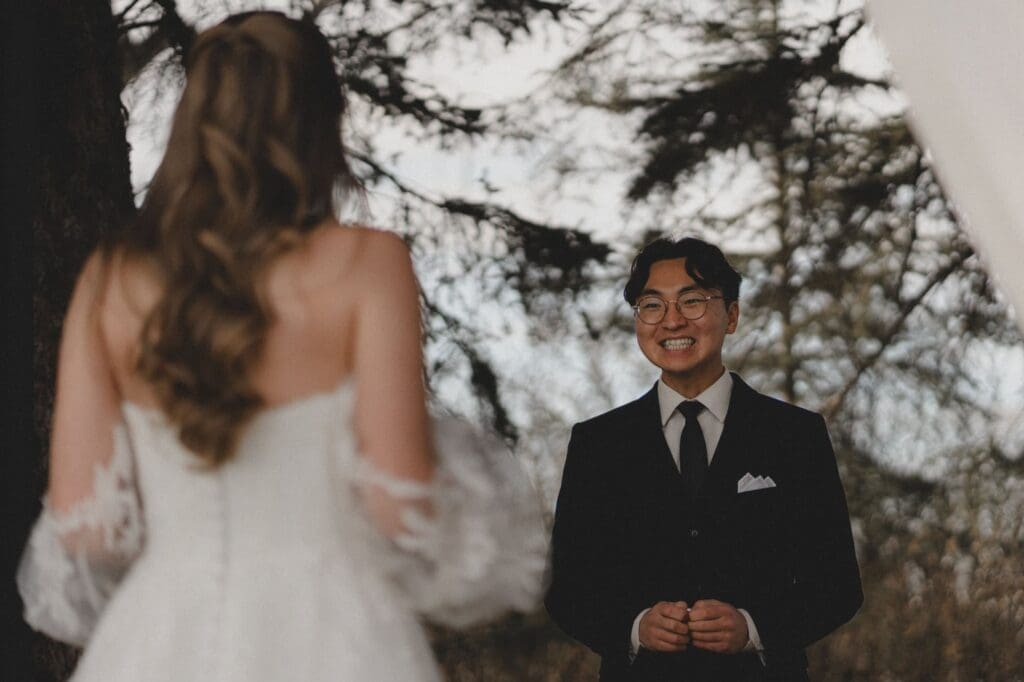
A first look is a private moment before the ceremony where you see each other for the first time that day.
We find a quiet, out-of-the-way spot and guide you both there. Just the two of you. It’s one of the most intimate moments of the whole day, and it makes for some of the best images we take.
The Pros
- You get more time together. You get to spend more of the day actually with your partner. A lot of couples also say that seeing each other beforehand calms the nerves in a way nothing else does.
- You get more time for photos. We get through most of the formal photography before the ceremony even starts, which means the rest of the day opens up.
- It’s a smoother transition to the reception. Because the portraits are mostly done, the reception can start without delay. You get to actually be at cocktail hour.
- This is a big win for winter weddings. When the sun sets at 5pm, doing a first look means you can shoot in daylight. Without one, you’re often racing the clock.
The Cons
- You get an earlier start. Most of the photography happens before the ceremony, so everyone needs to be ready sooner.
- The light may not be as ideal. Shooting later in the day is almost always better for portraits. That said, the difference in quality depends a lot on the season and the weather.
- For some couples, the first look at the altar is the moment they’ve always pictured. That matters. If that’s you, stick with it. It’s your day.
Things to Consider
1. Get Ready Close to Each Other
This one is easy to overlook and really matters. We’ve had situations where the couple was 30+ minutes apart, and we spent a big chunk of the morning just driving. The closer you are to each other, the more moments we get to capture.
2. Hotel vs Home
Both have real advantages, so here’s the honest breakdown.
Hotels tend to have better light and less clutter. It’s easier for us to move around and capture moments for both sides of the party when everyone is in one building.
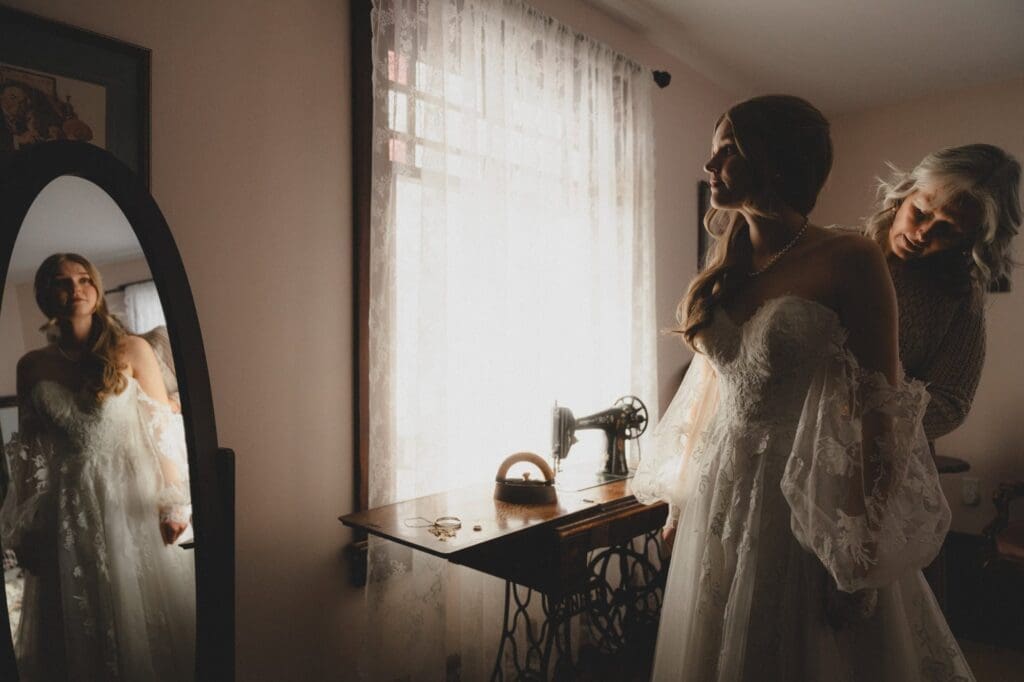
Home is about story. We once photographed a bride getting ready in her grandfather’s house, a home that had been in the family for three generations. Every corner of that place meant something to her. If your home carries that kind of weight, that’s worth more than clean light.
3. Think Hard Before Doing a Receiving Line
They take way longer than you expect. A good rule of thumb is about 15 seconds per guest. With 100 guests, you’re looking at 20 to 30 minutes standing in a line. That’s time that comes directly out of your photos.
Consider greeting guests at their tables during the reception instead, or dismissing guests by row at the ceremony. Either option keeps things moving.
4. Natural Light is Everything
Lighting is the single biggest factor in how your photos look. Natural light is flattering, it’s beautiful, and it’s what gives our photos the feel you fell in love with.
Wedding party shots, family formals, and couple portraits all look best in natural light. Can you still have a candlelit dinner or a sunset ceremony? Absolutely. Just make sure we build a timeline that gets your important photos captured before the light changes.
5. Letters and Gifts
Handwritten letters don’t happen much anymore. Your wedding day is one of the best occasions imaginable to write one.
This isn’t a requirement or an expectation. But if there’s someone in your life who has shown up for you in a big way, your wedding day is a meaningful time to say it in writing.
6. A First Look Doesn’t Have to Be With Your Partner
If you love the idea of a reveal but want to keep the ceremony moment with your partner sacred, consider doing a first look with your bridesmaids, your dad, or someone else who means the world to you. Those reactions are something else.
7. Be You
When you’re flipping through your album a few years from now, the photos that are going to hit hardest are the ones that actually look like your life.
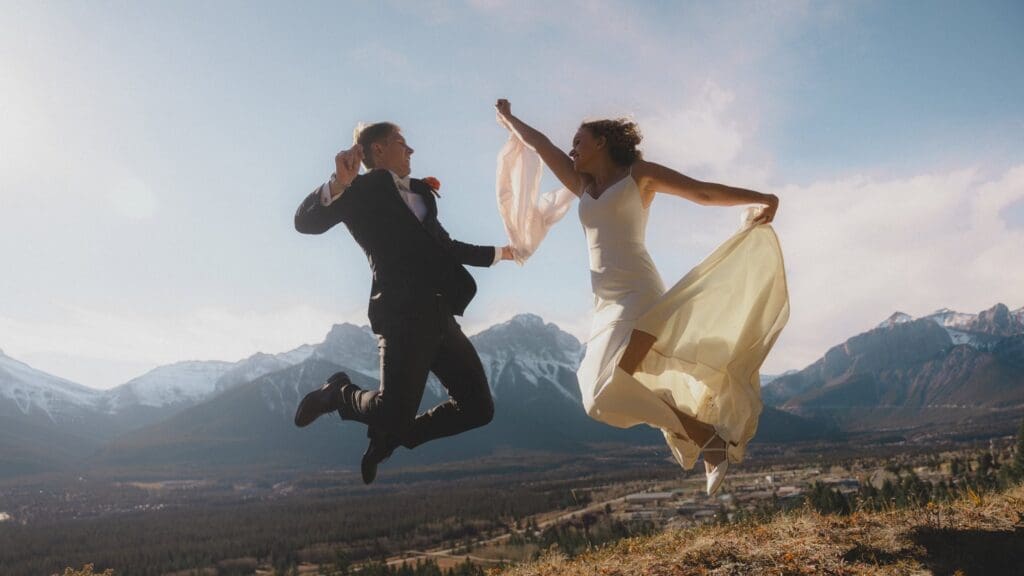
If getting ready at home is meaningful, let’s do it there. If you’d rather skip the creative portraits and visit your grandma at the care home, let’s go. If you and your partner had your first date at a tiny little ice cream shop, we can make that work too.
A lot of couples focus on where to take photos instead of why. When you start with the why, the where always ends up being better.
8. Let Some Things Go
Murphy’s Law is real. Something will not go according to plan. That’s just how it goes.
The cake delivery is late. Someone’s running behind. A button breaks. In the moment, these things feel enormous. Looking back, they won’t matter at all.
We’ve said it more times than we can count: the [venue/guests/officiant/whoever] will wait. You’re the main event.
So when something goes sideways, just tell yourself this:
“It’s just a ___. It’s not going to ruin my day.”
Because it won’t. You’re getting married. That’s the whole thing.
Timing is everything on your wedding day. And it’s almost never what you think it’s going to be. As long as you plan for it. Here’s an honest breakdown of the two main ways to structure your day, plus 8 things that will actually make a difference when the schedule gets tight.

